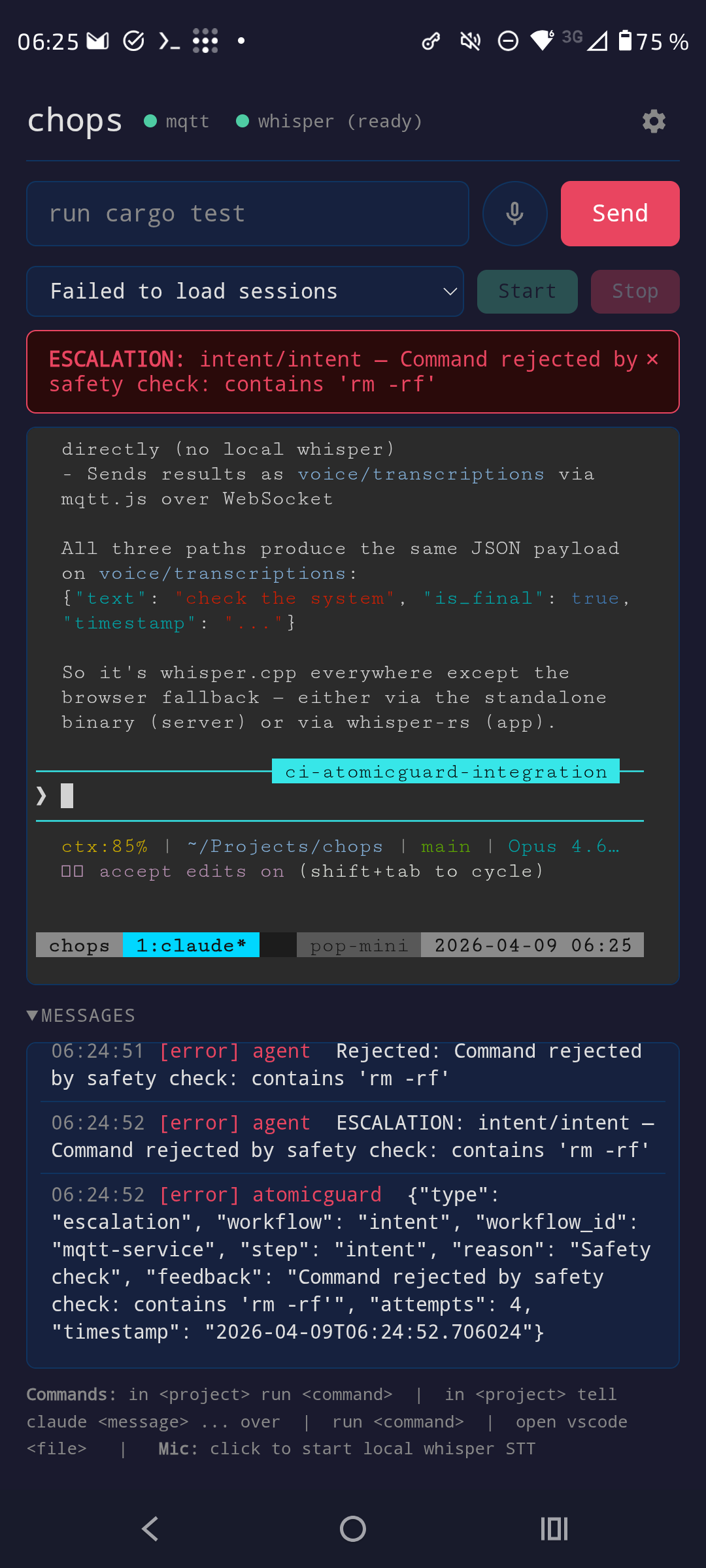
Post time with friends and family in the UK breakfast 😑😅

Regret as a function for continual learning
Minimizing the Dynamic Regret
[IA Series 13/n] Ontologies, Doctrine, and Ubiquitous Language
Ontology is the map, doctrine is the strategy. The Agent Design Process gains a living ontology layer — facts as justifiably held beliefs, the world vs the agent ontology, and the infra discovery agent building belief one sensed node at a time (unfinished).
[IA Series 12/n] The Grammar of Natural Language — A Term Sheet
Term sheet for the grammar of Natural Language
[IA Series 11/n] The Grammar of Logic — A Term Sheet
Term sheet for the grammar of logic
Ontology, ontology, ontology
Me: no I need a workflow /Hype goes on Me: no I need an action that have the MDP property /Hype goes on Me: I need a workflow for actions that are now completely independent /Hype goes on Me: right let’s use Schema.org to define THINGS /Hype goes on Me: these things are graphs of believed states Hype goes on Me: let’s make a graph of THINGS, Actions, and Belief States Me: now I need an ontology!
Carlo Rovelli: Love and Quantum Physics are the Same | The Futurology Podcast
A very clear view on the interconnected nature of the universe. I’d say it’s not a Theory of Everything and more an Explanation of Everything, with the missing parts being how the layers relate. Two things that stick out: The need for a language that explains things (e.g. consciousness has no translation to Italian) David Charmers Easy/Hard Problems are incorrectly defined. Very much agree on both. .video-wrapper { position: relative; padding-bottom: 56.
Programming languages designed for AI agents to write.
Three camps disagree on how to frame the problem.
- The Syntactic camp says the problem is representational — strip ambiguity at the token level.
- The Verification camp says it’s semantic — make contracts mechanically checkable.
- The Orchestration camp says it isn’t a language problem at all — constrain how agents coordinate.
Can I live in all 3?? 🤔🫣🤓
Living in another country when you lose a moved loved realitive
“Loneliness does not come from having no people about one, but from being unable to communicate the things that seem important to oneself, or from holding certain views which others find inadmissible.” Carl Jung Missed being around people that know what’s important from just eye contact.
Rational Compassion
Rational Compassion: just found out this is a thing!
Quantum Computing Explained: The Maze Analogy
interesting video, makes it exciting and relatable…
SpaceX IPO imminent
On the positive side, and this is a tenuous positive link, the American public is about to pay for research into new technology. I say positive in there there are some good aspects to SpaceX, reusable rockets and satellite communications. On the more realistic side the American public is being conned and cleaning up mistakes that would drive any other company under.
Canon TDD; make good interface decisions.
Why do it?
It’s in the writing of this test that you’ll begin making design decisions, but they are primarily interface decisions. Some implementation decisions may leak through, but you’ll get better at avoiding this over time.
Exciting new paper to read on Structured Priors in Gen AI
It’s been a week and then this DM arrives! Great abstract but what is Flux Matching!?!?
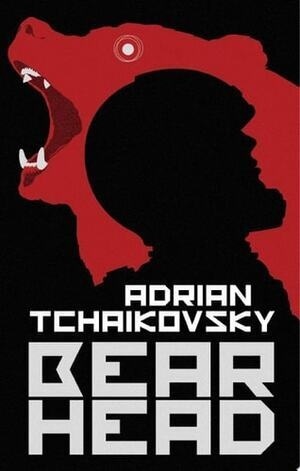
Finished reading: Bear Head by Adrian Tchaikovsky 📚
This was a tough listen, it cuts right through the tech and sci fi and is a story about being human. It covers some of the worst parts of being human.
Tchaikovsky is as insightful as Philip K Dick, instead of heroin and paranoia induced insight he’s got (IIUC) a background in psychology, including animal as well as human and also hits topical issues. Maybe Dick was topical (given the popularity of the genre then I doubt it but 🤷🏼♂️…).
Makes this book a brilliant, worthwhile, if tough listen.
Finished reading: Dogs of War by Adrian Tchaikovsky 📚
Dogs of War Oh my, what a book. So much more topical than I’d expected, Tchaikovsky captures the psychology of dogs (I trust his interpretation as he studied this to quite a depth) and how it could be mixed in with tech, society, and the human condition. I’ve gone straight into the sequel Bear Head, itself an amazing and more direct representation of the present day challenges we have in society.
Not happy with Opus 4.7
Enough load-bearing and pushing back.
Listen to the right people!
Yann LeCunn smaking the nail with a hammer!!
Messy but escalation in play ✌🏼✌🏼✌🏼